Access Engineering
Curriculum and Program Design for a High School Engineering Education Program
01Background
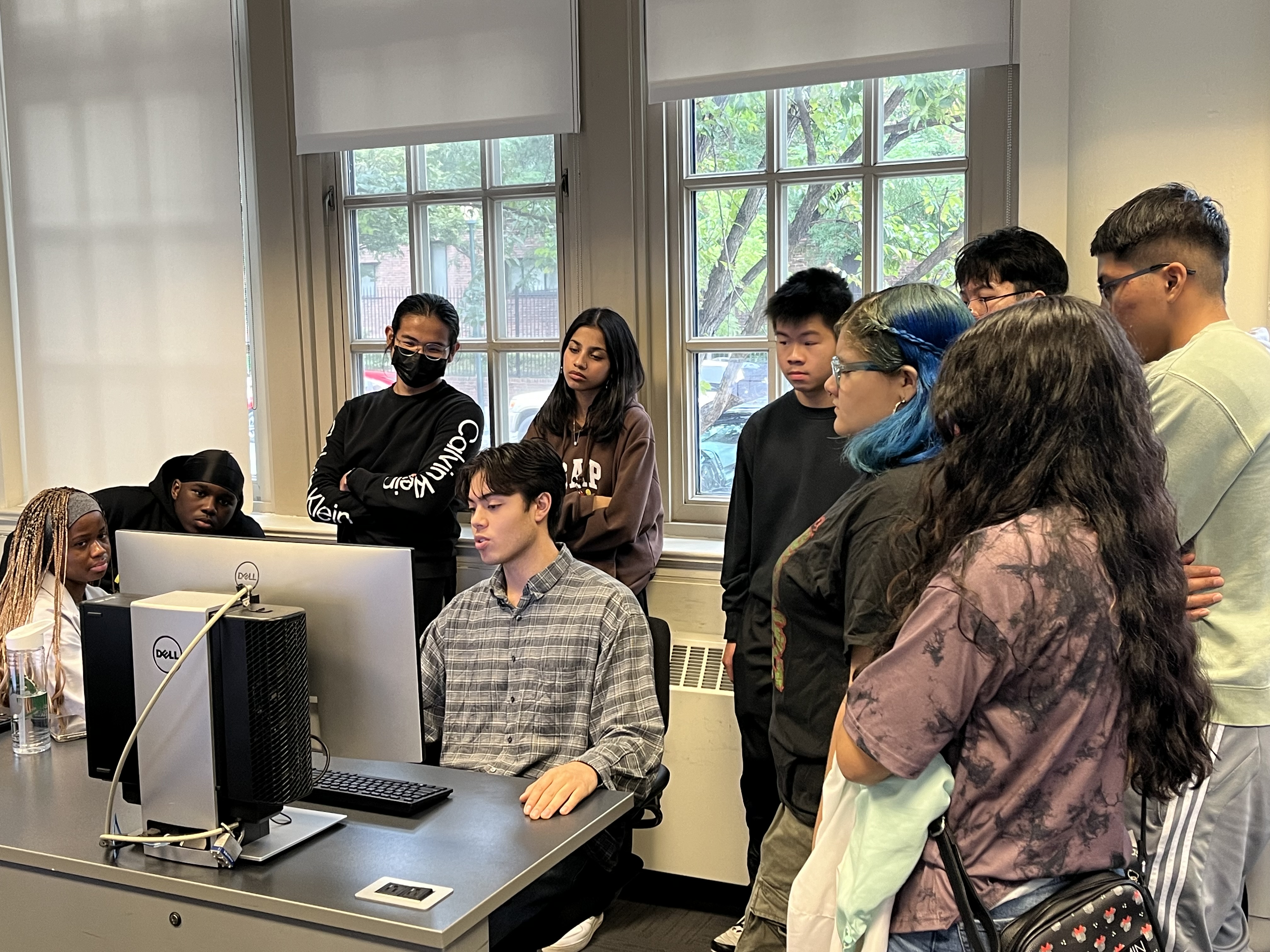
Access Engineering is a student-run program at the University of Pennsylvania that brings ~100 Philadelphia high school students to Penn's engineering campus for eight Saturdays each semester. The program is free for all students, and is run by undergraduate volunteers. I joined as Outreach Director, and served as President during the 2023–24 academic year.
As president, two questions drove my tenure:
01 — How do you create educational experiences that demonstrate engineering as a tool for social change?
02 — How do you build meaningful relationships between students and their undergraduate teachers?
02The Innovate for Philadelphia Challenge
Designing a learning experience around engineering for social good
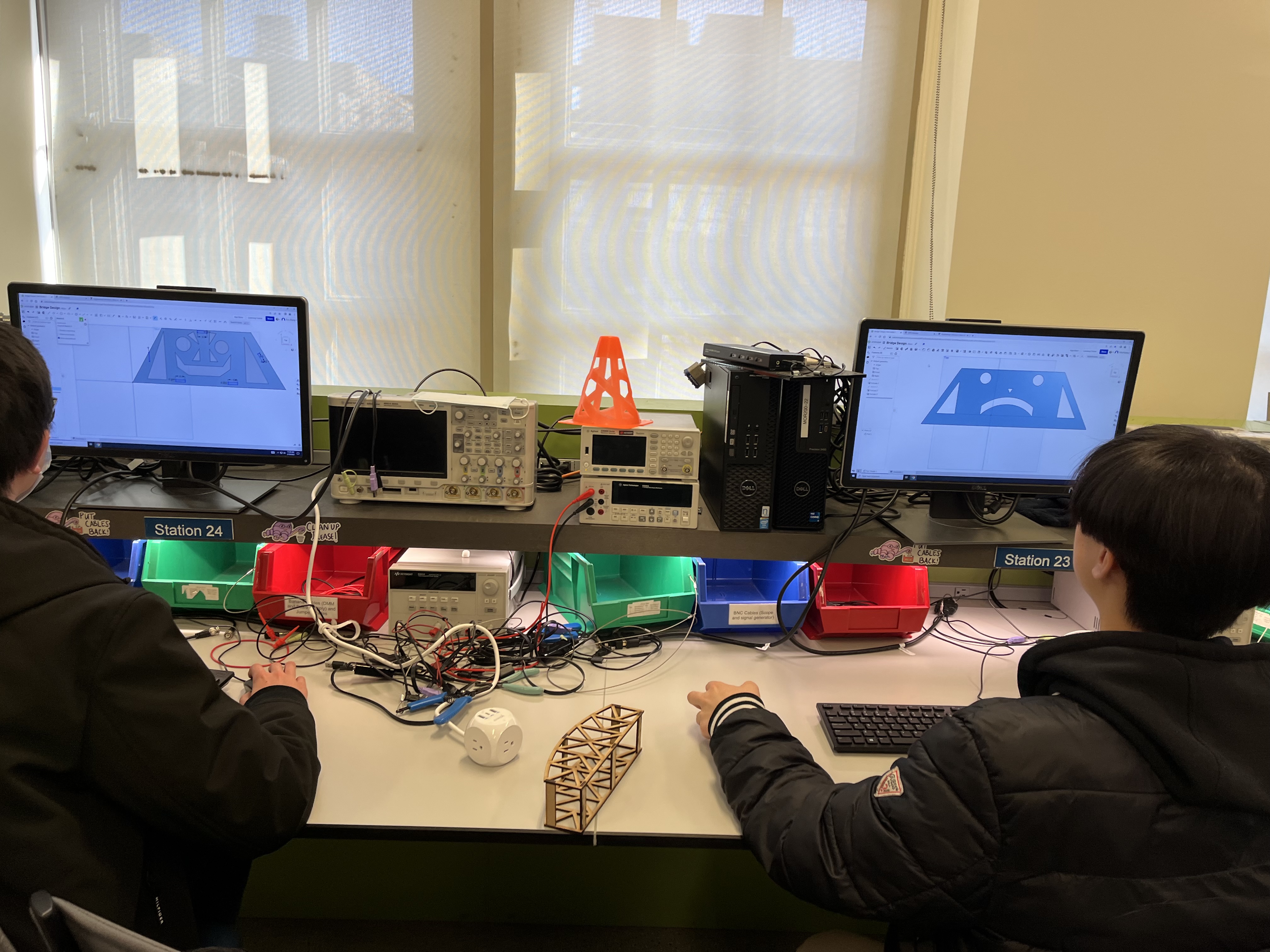
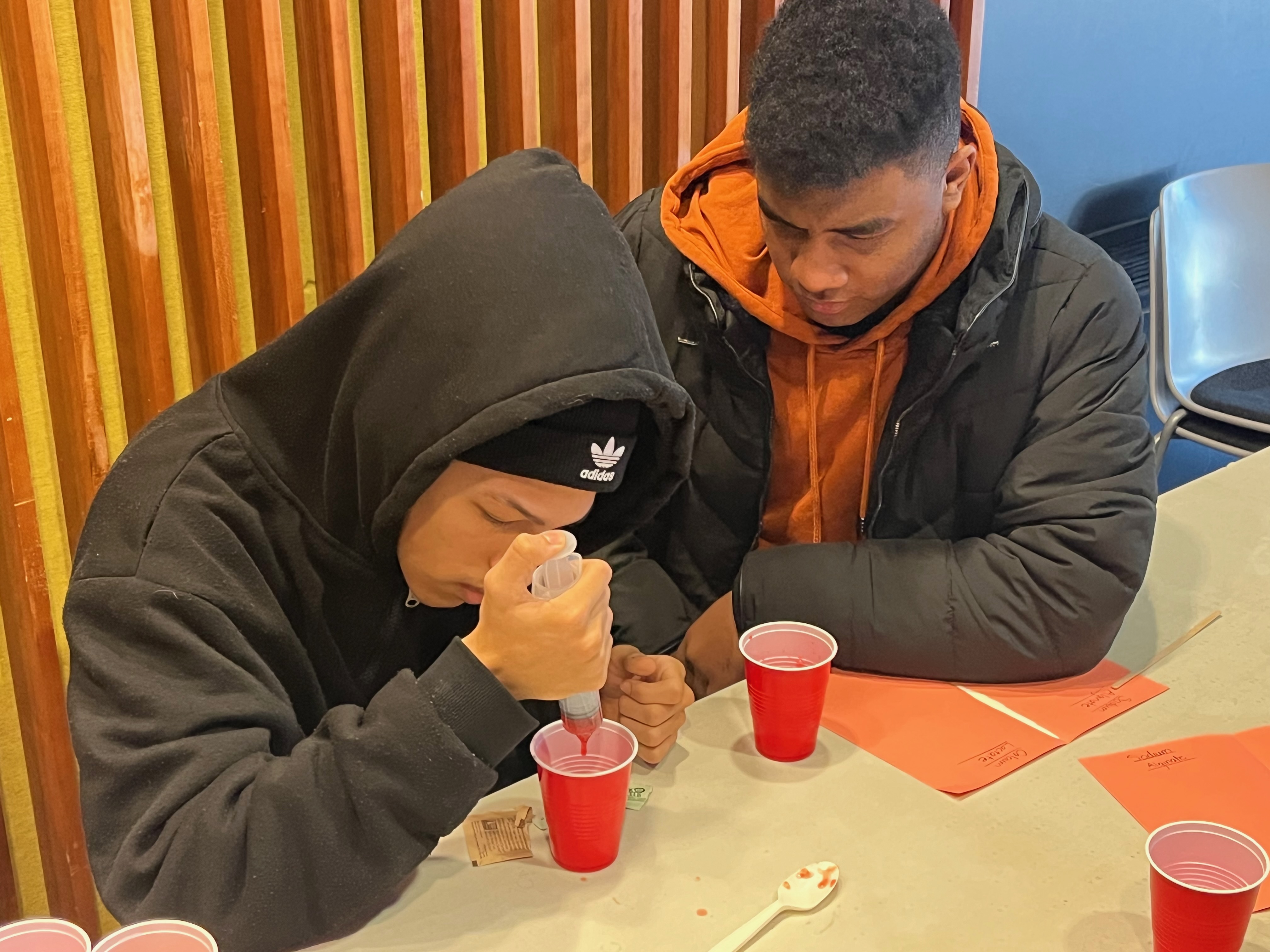
The existing program curriculum was centered around eight disciplinary labs: one for each engineering major.
Working with faculty at the Penn Graduate School of Education, I redesigned the program to revolve around a cohort-based project: over the course of the program, students were tasked with developing a proposal for an engineering solution to a Philadelphia-based problem.
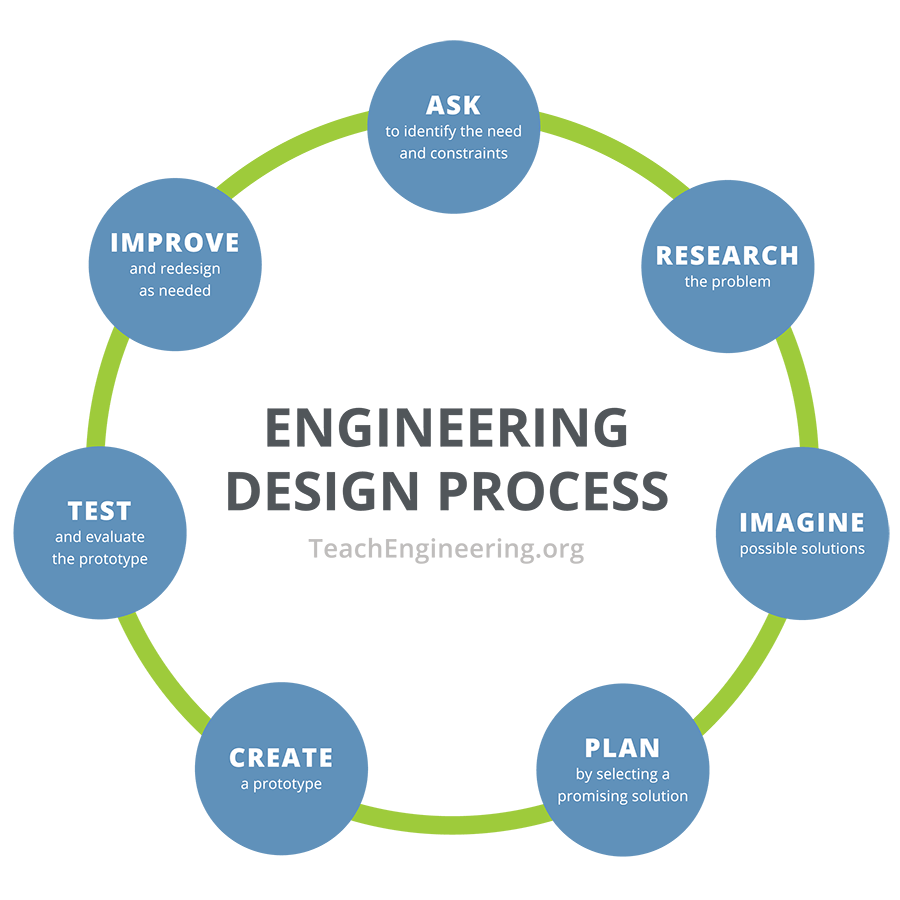
On day one, students were organized into cohorts of four to five, each paired with two or three undergraduate teachers. Those cohorts became engineering teams. At the start and end of every Saturday, they met to work through a new step on an iterative design process — defining the problem, interviewing community members, sketching solutions, prototyping, and pitching.
The final session was a simulated pitch competition. Students presented their proposals for hypothetical funding. Projects ranged from flooding infrastructure in Eastwick to Narcan vending machines for overdose hotspots.
03Building a culturally-responsive instructor-development program
To prepare undergraduate engineering students to effectively teach and mentor the high schoolers they'd be working with, I developed a three-session professional development program centered on culturally responsive STEM teaching with guidance from faculty at the Penn Graduate School of Education.
The sessions focused on two threads:
04Outcome
Over my two years, the program served more than two hundred Philadelphia high-school students and I trained and managed fifty-one undergraduate instructors across a full academic year. We measured a 20% increase in students' intent to pursue engineering pathways in college through pre/post surveys. The program is still running today.